
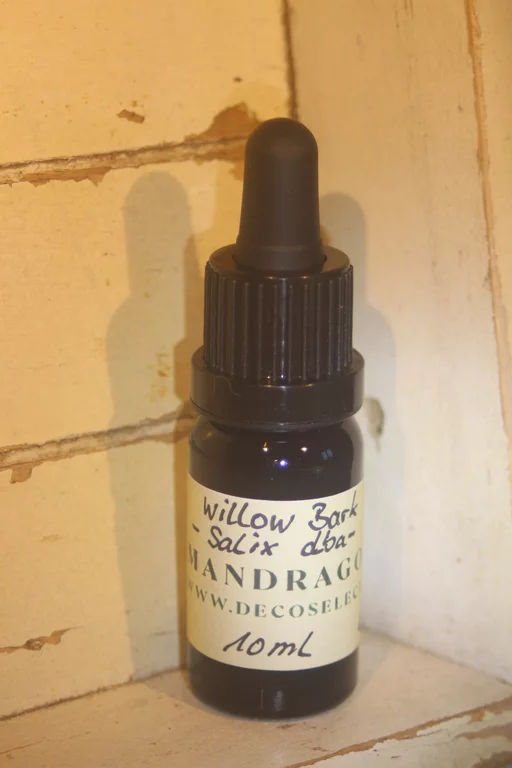

“The willow is a gentle yet
powerful healer.
Its bark carries the
bitterness of life within it,
which transforms into
relief, clarity, and balance.”
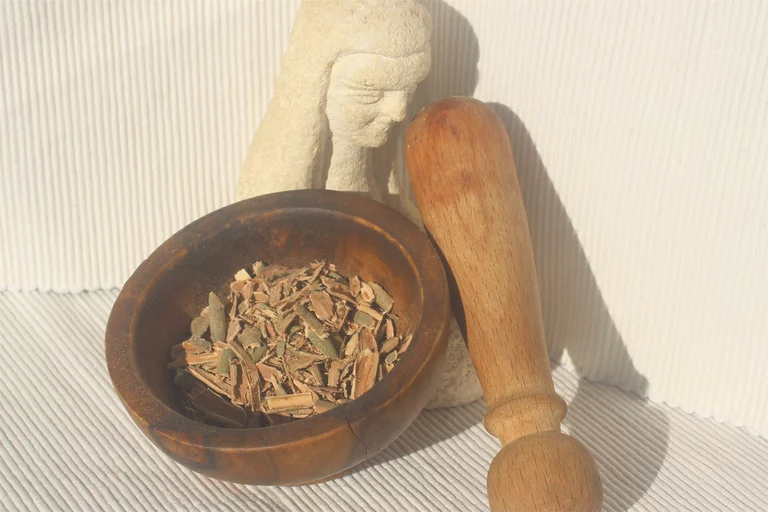
No.75
Areas of use of willow bark tincture
Pain
Willow bark is especially
well known for its pain-relieving effects.
Traditionally used
for:
Inflammation
Fever & colds
Headache tonics
Menstrual discomfort (supportive use)
Sports & recovery
Active constituents Willow Bark
Application
10–30 drops, 1–3 times daily
in water or tea
Do not take on an empty
stomach (can be quite bitter)
It is said that long ago, a
hunter wandered through the forest, injured and in pain. His
legs ached, his head felt heavy.
He sat down by a river,
leaned against a willow tree, and in desperation began chewing
on a piece of its bark.
The taste was bitter – but
an hour later, he noticed his pain had eased.
He shared this miracle with
the people of his village, and thus the story of willow bark
began…

Above all, to eat a healthy diet, engage in sports, enjoy daily
movement outdoors in nature, and drink clean water. However, in
today’s world it is often not possible to follow all of these
essential principles of life regularly or long-term. In
addition, stress levels are widely high, and exposure to
environmental factors, chemicals, toxins, pesticides, and much
more has increased.
An essence from the wonderful natural world can not only
provide us with valuable vitamins, minerals, and feelings of
happiness: when used correctly, it offers remarkably efficient,
side-effect free support, both preventively and reactively. ✔️
