


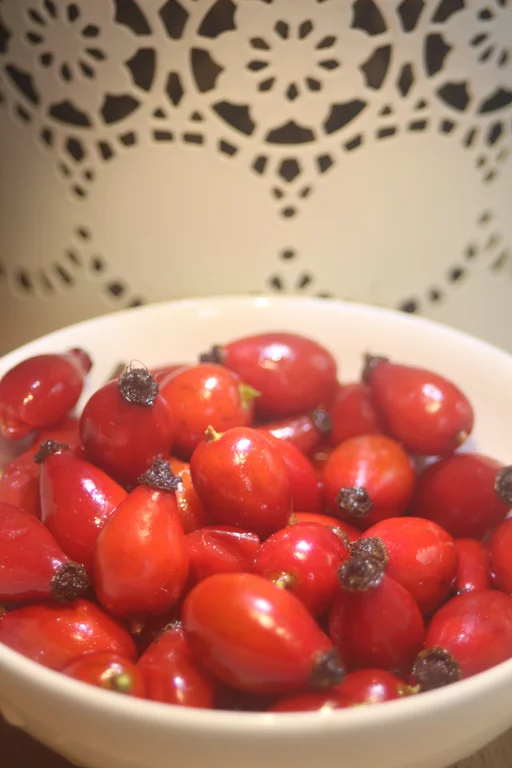
Rosehip is the fruit of the
wild rose – robust, luminous, and rich in inner
reserves.
It grows where life must be
resilient: along hedges, forest edges, and open landscapes.
Modest as a shrub, powerful in its fruit.
For centuries, rosehip has
been valued as a nourishing and medicinal plant.
Its nature is nourishing,
strengthening, and building.
It does not act as a quick
stimulant, but supports long-term regeneration.
Rosehip is a plant for people who wish to gather strength, fortify tissues, and support their inner resilience.
No.28
Traditional Areas of Use
Ingredients
Effects
Use
Internal
use:
10–20 drops in a little
water, 1–2× daily.
As a
course:
Over several weeks,
especially suitable in autumn and winter
or during phases of
increased strain and exhaustion.
Rosehip is native to Europe,
Asia, and North Africa.
Already in antiquity and the
Middle Ages, it was known as a strengthening
fruit.
In folk medicine, it was
used as a winter vitamin source
and as a remedy for joints
and general strengthening.
Especially in times of
scarce nutrition,
rosehip was regarded as a
valuable resource
for resilience and the
preservation of health.
Above all, to eat a healthy diet, engage in sports, enjoy daily
movement outdoors in nature, and drink clean water. However, in
today’s world it is often not possible to follow all of these
essential principles of life regularly or long-term. In
addition, stress levels are widely high, and exposure to
environmental factors, chemicals, toxins, pesticides, and much
more has increased.
An essence from the wonderful natural world can not only
provide us with valuable vitamins, minerals, and feelings of
happiness: when used correctly, it offers remarkably efficient,
side-effect-free support, both preventively and reactively. ✔️
