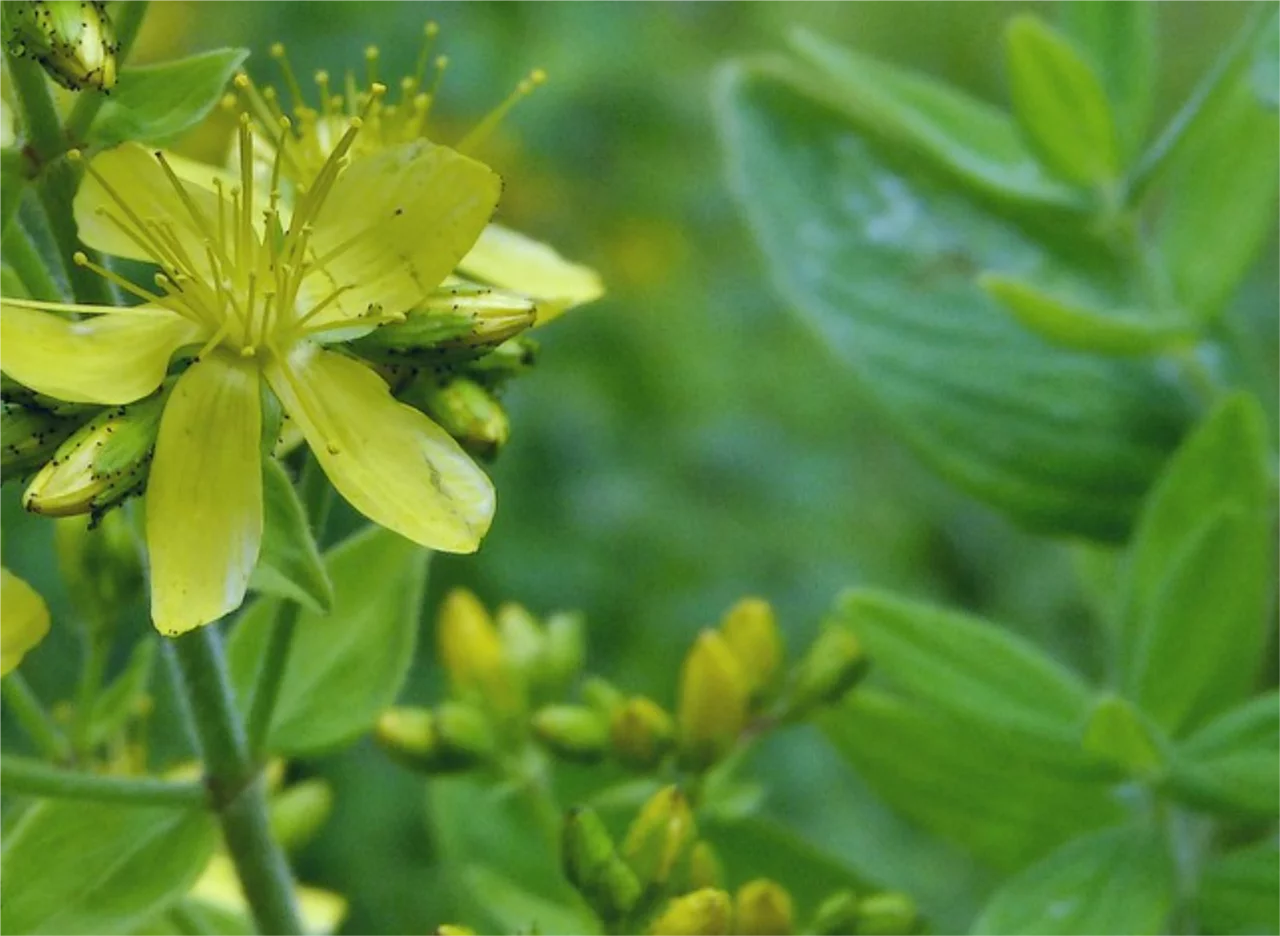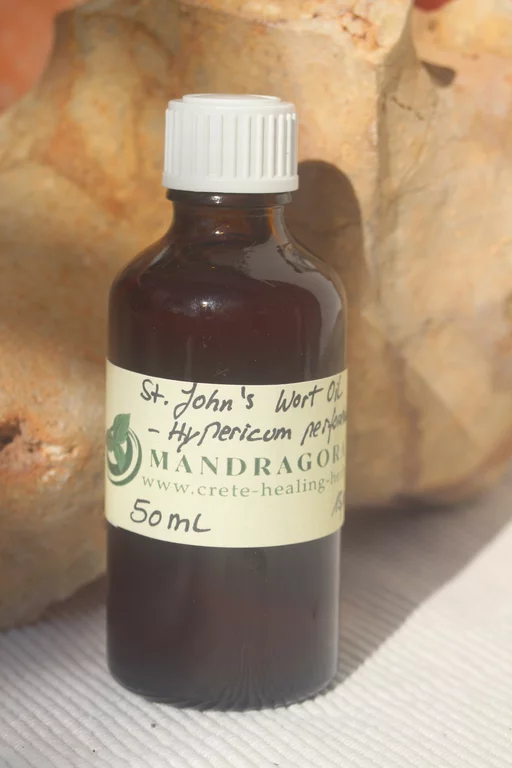

St. John’s Wort oil is a
classic herbal remedy in folk medicine.
It carries the power of the
sun – warming, protective, and strengthening.
Its effect is gentle, yet
profound.
It works not just
superficially, but supports processes from the inside
out.
St. John’s Wort oil has traditionally been valued as a nerve oil, skin oil, and oil for the soul.
No.O9
Traditional Uses and Effects
Nerve pain
Nerve irritations
Muscle tension and stiffness
Sensitive, irritated skin
Scar care
Support during emotional stress
Anti-inflammatory
Assistance with inner restlessness
Active Compounds
Hypericin
Hyperforin
Flavonoids
Tannins
Essential oils
Resins
(These compounds are extracted into the oil during sun maceration.)
Usage
Topical application:
Gently massage into tense muscles
For sensitive or irritated skin areas
Scar care
Nerve-related discomfort
On back, shoulders, or joints
Emotional support:
Apply to solar plexus, chest, or back
Especially soothing during stressful or emotionally challenging times
St. John’s Wort has long
been revered as a sun plant.
It collects light, warmth,
and clarity –
and delivers it where people
feel exhausted, irritated, or hurt.
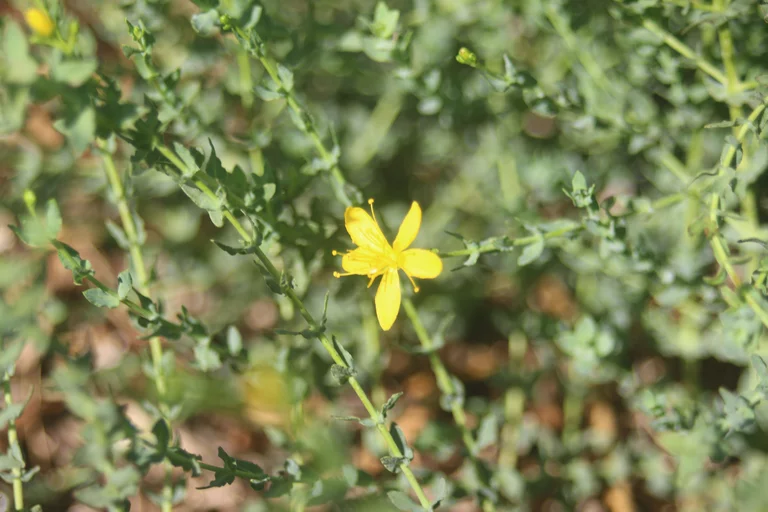
Its golden yellow flowers
appear around the summer solstice
and carry the symbolism of
light, hope, and protection.
Origin & Tradition
In antiquity, St. John’s
Wort was used as a protective herb.
In the Middle Ages, it was
hung above doors
to keep away dark thoughts,
fear, and restlessness.
In folk medicine, it was
known as the
“herb of the nerves” and a
plant for inner stability.
The Nature of St. John’s Wort
St. John’s Wort represents:
Light in dark times
Protection of the nerves
Gentle strengthening
Warmth and regeneration
Hope and inner order
It does heal quietly, warmly, and from within.