
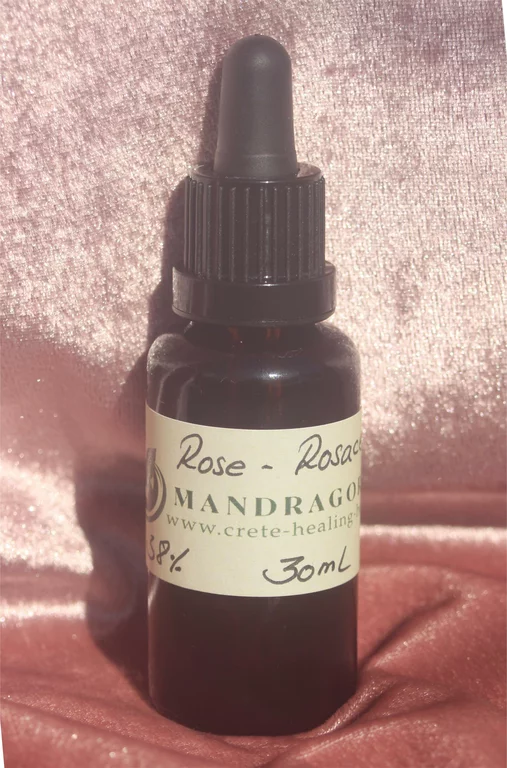

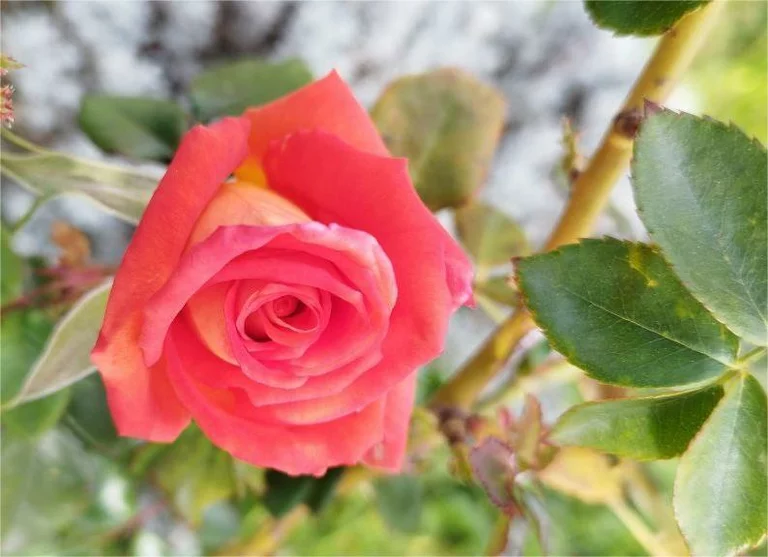
The rose is one of the oldest and most meaningful medicinal plants known to humankind. Its blossoms have symbolized love, beauty, and inner harmony for thousands of years.
The petals in particular – especially those of the Damask rose
(Rosa damascena) – contain a wide array of finely
balanced plant compounds.
Their effect is not forceful, but gently regulating and
balancing – on the body, the skin, and the emotional level. It
brings softness into tension, opens the heart in times of inner
constriction, and supports the balance between emotions and the
nervous system.
Rose petals are a plant ally for those who long for emotional stability, inner calm, and gentle strengthening.
No.58
Traditional uses
Constituents
Actions
Use
Internal
use:
10–15 drops in a little
water, 1–2 times daily
As a
course:
Over several weeks,
especially suitable during emotional stress,
periods of tension, or for
gentle harmonization of body and mind
Few plants carry as much
meaning as the rose.
For thousands of years, it
has accompanied humanity – not only as a remedy, but also as a
symbol of love, beauty, and the subtle forces of the
heart.
In ancient Egypt, the rose
was used for ointments and ritual applications.
In Greek antiquity, it was
dedicated to the goddess Aphrodite, and in the Roman world it
was associated with Venus.
It was seen as a plant of
love – but also of secrecy: “sub rosa” (under the rose) meant
that something was spoken in confidence.
In Persian culture, the rose
experienced a special flourishing period.
It was there that rose water
was first distilled on a larger scale – a precious substance
used in medicine, cuisine, and body care.
The rose also played an
important role in European monastic medicine.
Hildegard of Bingen
described it as strengthening for the heart and the senses and
recommended it for inner unrest and emotional strain.
Special uses of the rose
The versatility of the rose is reflected in its many traditional applications:
Rose
water
Cooling, soothing, and
skin-nurturing
Still valued today in
natural cosmetics and as a gentle facial toner
Rose essential
oil
One of the most precious
essential oils
Used in aromatherapy for
emotional balance and heart-opening
Rose
tea
Mild, harmonizing, and
slightly astringent
Traditionally used for
digestive discomfort and inner calming
Culinary
use
Rose petals are found in
syrups, jams, and desserts
Especially known in oriental
specialties such as lokum or rose confections
External
use
As compresses or bath
additives for irritated skin
Supportive for redness,
dryness, and feelings of tightness
The essence of the rose
The rose unites opposites in
a unique way:
delicacy and strength,
openness and protection, sensuality and clarity.
Its thorns remind us that
true softness also requires boundaries.
Its blossom, in contrast,
stands for unfolding, trust, and the ability to open to
life.
In herbal practice, the rose
is often used where
the balance between feeling and stability has been
lost.
It does not act forcefully –
rather, it invites a return to one’s inner center.
Thus, the rose is not only a medicinal plant, but also a companion on an emotional and soulful level.
Above all, to eat a healthy diet, engage in sports, enjoy daily
movement outdoors in nature, and drink clean water. However, in
today’s world it is often not possible to follow all of these
essential principles of life regularly or long-term. In
addition, stress levels are widely high, and exposure to
environmental factors, chemicals, toxins, pesticides, and much
more has increased.
An essence from the wonderful natural world can not only
provide us with valuable vitamins, minerals, and feelings of
happiness: when used correctly, it offers remarkably efficient,
side-effect free support, both preventively and reactively.
✔️
