
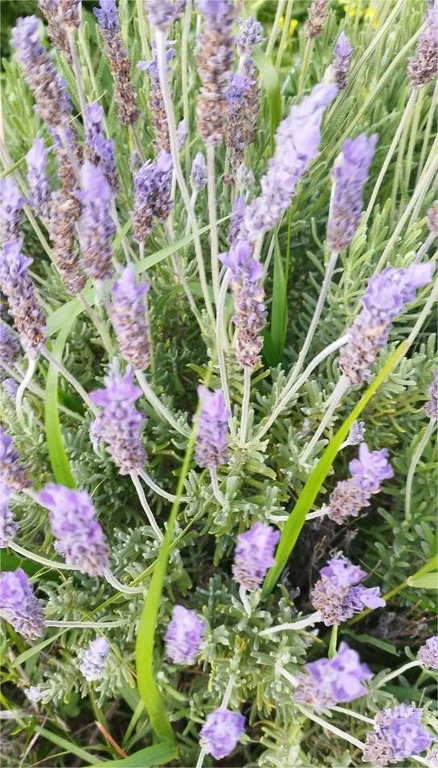

Lavender oil is
soothing, balancing, regenerative, and slightly
cooling.
Its essence carries gentle,
harmonizing energy that relaxes body and mind, eases muscles,
and calms the senses.
Traditionally, lavender oil
has been valued in herbal medicine and cuisine alike – for
relaxation, skin care, and mental well-being.
In skin care, this power
manifests as a harmonizing, nurturing
essence:
Lavender massage oil
supports circulation, soothes the skin, provides light
balancing, promotes regeneration, and leaves the skin feeling
relaxed and cared for.
No.O 12
Effects & Benefits for Skin & Body
Soothing and balancing for sensitive or irritated skin
Supports regeneration in minor skin irritations or dryness
Slightly promotes circulation and relaxes tense muscles
Calming and uplifting for mood with its clear, floral scent
Harmonizes body and mind, promoting relaxation, balance, and sleep
Especially Suitable For:
Sensitive, lightly irritated, or reddened skin
Muscle tension or stiffness
Need for relaxation, calm, and stress relief
Sleep difficulties or restless mind
Massages to relieve tight or tense muscles
Skin-Relevant Ingredients:
Linalool – calming, regenerative, skin-friendly
Linalyl acetate – relaxing, balancing, supports skin respiration
Terpinen-4-ol – mildly antibacterial, cleansing
Flavonoids – antioxidant and protective
Vitamin C (traces) – regenerative, supports collagen
Usage Tips:
Apply in the evening as a massage oil on face, neck, décolleté, or body areas
Use as a relaxing addition in homemade body or massage oils
Ideal for revitalizing or soothing foot and leg massages
A few drops in bath water for relaxation, calm, and gentle circulation
Culinary Use:
Lavender oil can – only in food-grade quality – be used sparingly for flavoring:
In desserts, creams, yogurt, or ice cream
In cakes, pastries, tarts, or delicate sweets
In dressings, sauces, or summery beverages (1–2 drops are enough)
Its floral-fresh aroma gives dishes a harmonious, calming note and enhances natural flavor nuances.
Origins & Nature
Lavender is a Mediterranean plant that has been valued for thousands of years. It originally grew in Europe, North Africa, and parts of Asia, and has always been known for its aromatic, floral-fresh oil and its calming effect. What has made it especially remarkable throughout history is its natural protection against insects and its role in keeping spaces hygienic.
Countries & Cultures
Ancient Egypt: Traces of lavender oil have been found in the tombs of pharaohs. It was used for embalming and ceremonies as a symbol of purity and reverence.
Greece & Rome: The Greeks called lavender “nardus,” and the Romans used it in bathing rituals and body care. The name “lavender” comes from the Latin lavare – to wash – highlighting its cleansing properties.
Medieval Europe: Lavender was scattered on the floors of homes and churches to purify the air and ward off evil spirits. It was considered a protective herb and a good-luck charm.
Traditions of Love & Dreams: In old customs, young women drank lavender tea to dream of love or placed lavender under their pillows for peaceful, restful nights.
Mystical & Symbolic
Protection & Cleansing: Lavender’s scent has long been regarded as purifying, both physically and spiritually.
Calm & Harmony: Lavender symbolizes relaxation, balance, and inner peace.
Love & Dreams: It represents longing, romantic hope, and peaceful dreams.
Soothing Energy: For millennia, lavender has accompanied people in stressful situations, helped with sleep issues, and supported overall well-being.
