

Broccoli is considered the
“ancestral form” of an entire vegetable family.
It is said that from this
single wild cabbage, through human cultivation, we got:
broccoli, cauliflower, kale, Brussels sprouts, kohlrabi, white
cabbage, and red cabbage.
No.12
Wild broccoli contains numerous secondary plant compounds such as glucoraphanin, sulforaphane, flavonoids, vitamins, and fiber, all associated with health benefits.
A glimpse of the ancient broccoli
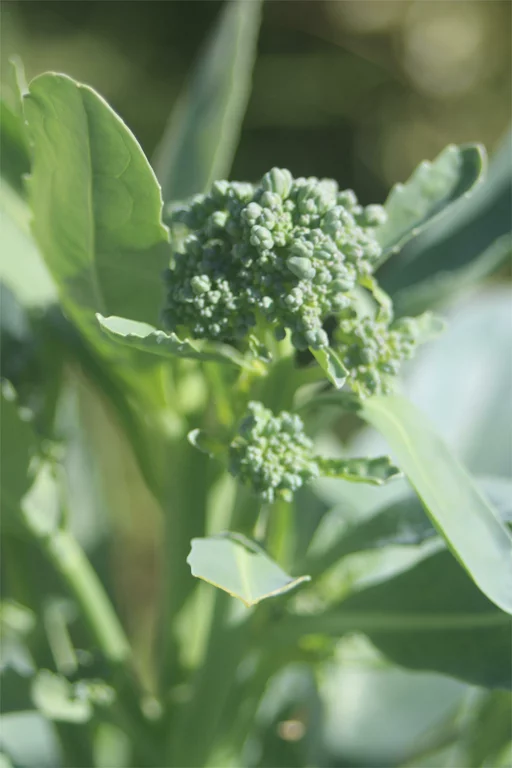
A wild, tender coastal
cabbage with many small sprouts, intense aromas, scattered
buds, and robust vitality – the ancestral form of our modern
broccoli.
Its nutrients and active
compounds are very similar to modern broccoli but more
concentrated, as wild forms contain higher levels of secondary
plant compounds.
Effects of wild broccoli
Strong
antioxidant:
Vitamin C, polyphenols,
flavonoids, and sulforaphane protect cells from oxidative
stress.
Anti-inflammatory:
Isothiocyanates act as
natural “inflammation brakes.”
Supports natural
cellular defense:
Sulforaphane activates the
body’s detoxification enzymes (phase II enzymes).
Good for digestion
& gut health:
Fiber and bitter compounds
support digestion, gut flora, and healthy cholesterol
levels.
Wild cabbage was
historically a classic digestive vegetable.
Cardiovascular
support:
Potassium, fiber, and
polyphenols help regulate blood pressure, support vessel
health, and assist cholesterol metabolism.
Immune
support:
Vitamin C and secondary
plant compounds strengthen immunity.
Liver
support:
Bitter compounds,
sulforaphane, and chlorophyll aid liver function.
Wild cabbage was
traditionally valued as a “cleansing vegetable.”
Active constituents of wild broccoli
Vitamins
Minerals
Secondary plant compounds (very important)
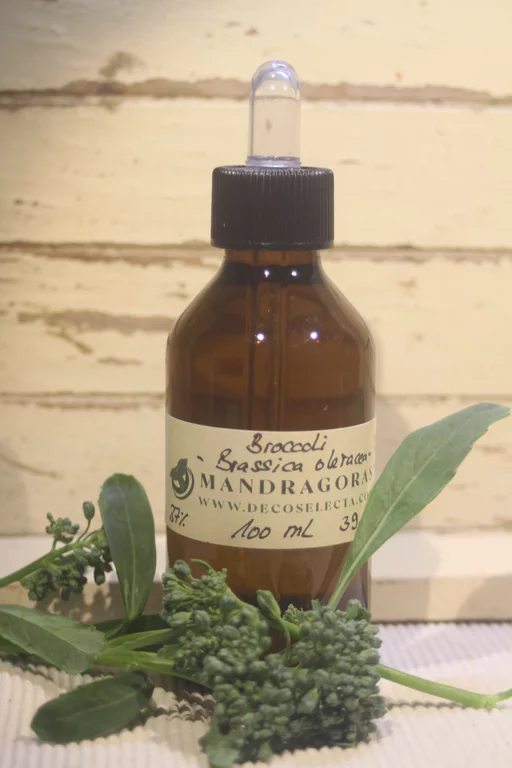
25 drops in 100 ml water, 3× dailyThe tincture
contains ~37% alcohol.

Above all, to eat a healthy diet, engage in sports, enjoy daily
movement outdoors in nature, and drink clean water. However, in
today’s world it is often not possible to follow all of these
essential principles of life regularly or long-term. In
addition, stress levels are widely high, and exposure to
environmental factors, chemicals, toxins, pesticides, and much
more has increased.
An essence from the wonderful natural world can not only
provide us with valuable vitamins, minerals, and feelings of
happiness: when used correctly, it offers remarkably efficient,
side-effect free support, both preventively and reactively✔️
